FAQ: Deep Dive into Triple S Access Control
What is the “access control triple” and how does it apply to Triple S solutions?
The “access control triple” refers to the fundamental relationship between a user, a transformation procedure (the program or action that mediates access), and the constrained data item (the resource being protected). In Triple S solutions, this concept ensures that every attempt to access a physical location or digital resource is mediated by an authorized process, preventing direct and unmanaged access. It forms the basis for designing secure and auditable access mechanisms.
How do biometric authentication methods enhance security in Triple S systems?
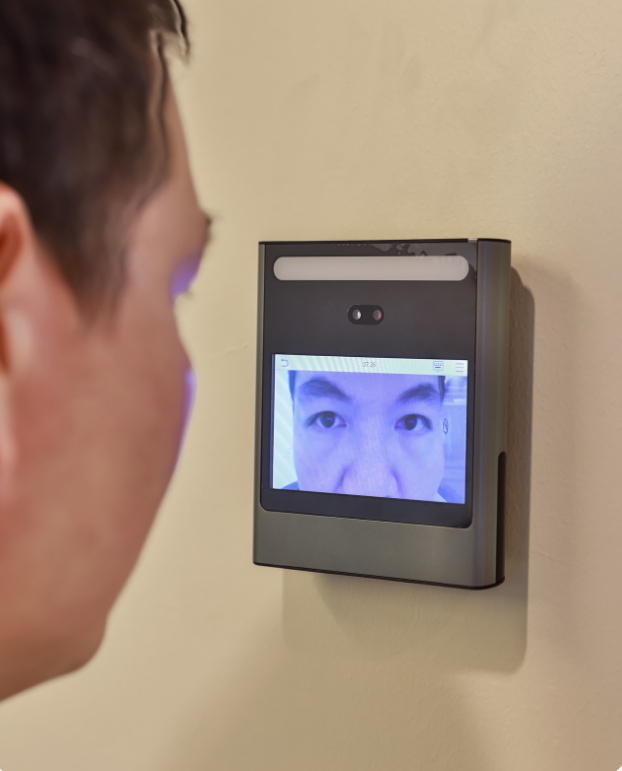
Biometric authentication, such as fingerprint or facial recognition, significantly enhances security by utilizing unique physical characteristics for identification. Unlike passwords or cards, biometrics are difficult to replicate, steal, or forget. Triple S integrates these methods to provide a highly secure and convenient way to verify user identities, drastically reducing the risk of unauthorized access and credential compromise.
Can Triple S access control systems integrate with existing security infrastructure?
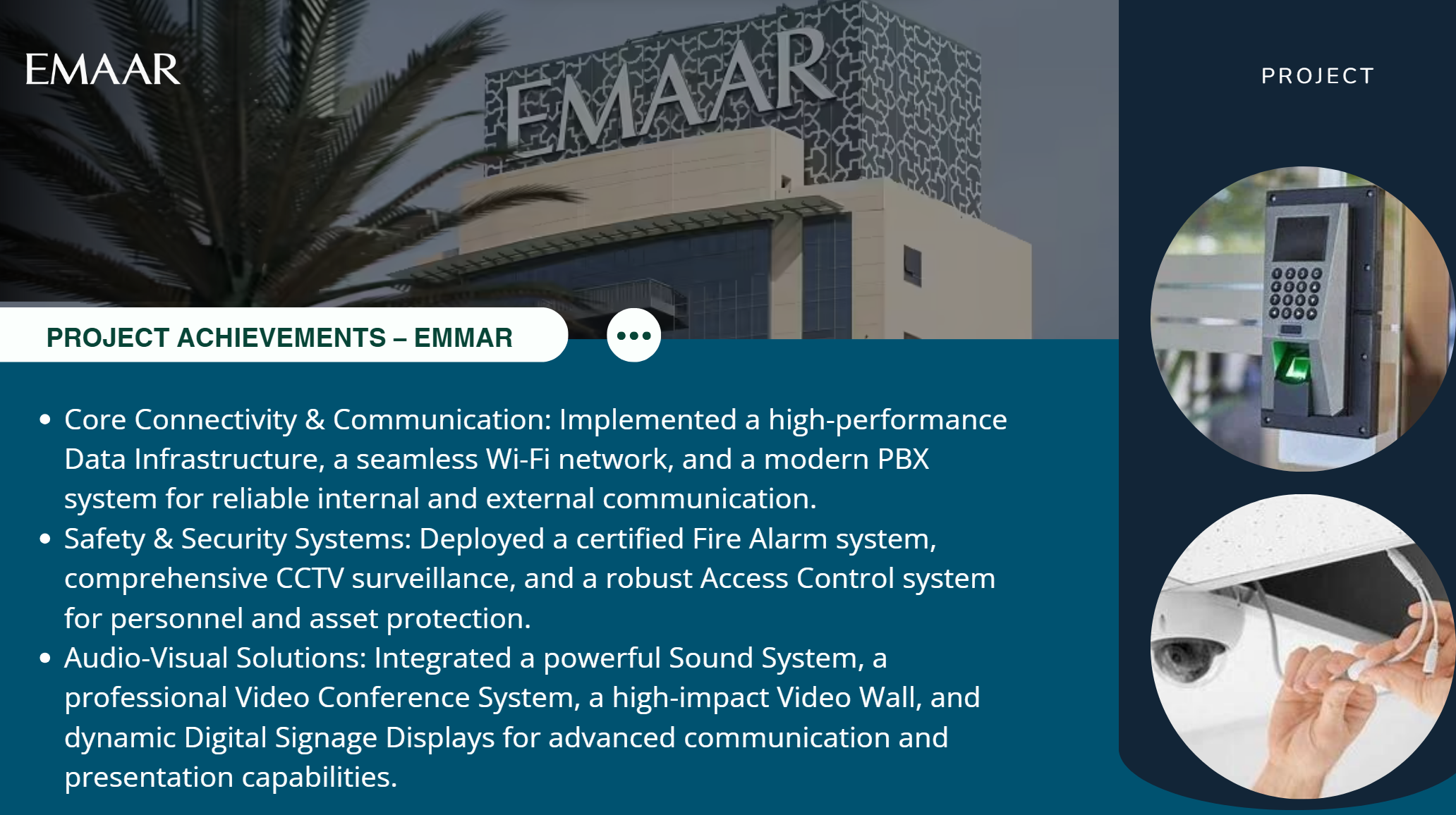
Yes, a core strength of Triple S access control is its seamless integration capabilities. Their systems are designed to work in conjunction with existing surveillance systems, home automation platforms, alarm systems, and other smart technologies. This creates a unified security framework that enhances monitoring, response times, and overall protection without requiring a complete overhaul of current infrastructure.
What is the Clark-Wilson integrity model and why is it important for access control?
The Clark-Wilson integrity model is a security model that focuses on maintaining data integrity by ensuring that access is only granted through well-formed transactions and adheres to the separation of duties. It’s crucial for access control because it prevents unauthorized or erroneous modifications to data, ensuring that access decisions and logs are accurate and trustworthy. For Triple S, this means their systems are designed to prevent fraud and maintain the reliability of access records.
What are the benefits of using low-voltage systems in Triple S access control solutions?
Triple S leverages low-voltage systems (12V, 24V, or 48V) for their access control solutions, offering several benefits. These include simplified wiring, which reduces installation complexity and costs. More importantly, low-voltage systems are inherently safer to work with and consume less energy, contributing to both operational efficiency and environmental sustainability. This approach also allows for greater scalability, accommodating systems from small residential setups to large commercial or governmental facilities.