Smart Lock System

The Definitive Guide to Smart Lock Systems

Smart lock systems are no longer just a luxury; they are an integral component of a modern, secure, and convenient smart home. By offering keyless entry, remote management, diverse access methods, and seamless integration with broader home automation, they provide an unparalleled level of control and peace of mind. As technology continues to evolve, with increasing Matter support and advanced biometric features, smart locks will only become more sophisticated and accessible, further solidifying their role in enhancing home security.

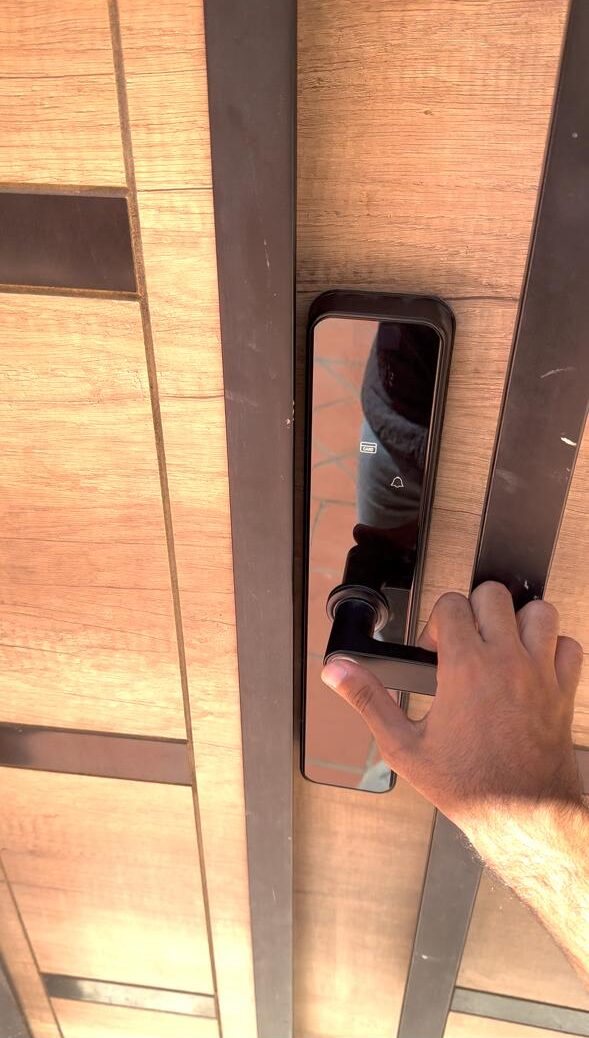
  • Installation Path: Smart locks typically come in two main types: full deadbolt replacements or retrofit models. Replacement deadbolts involve swapping out your entire existing deadbolt mechanism. Retrofit options, like August Smart Locks, install over your existing deadbolt on the inside of the door, preserving the exterior appearance and making them ideal for renters.
  • Security and Reliability: Prioritize locks with high physical security ratings (BHMA/ANSI) and strong digital encryption. Consider battery life—most smart locks operate on AA batteries lasting 6-12 months—and look for models with backup options, such as physical key overrides or external power terminals, to prevent being locked out.
  • Access Management Needs: Evaluate your requirements for managing access. Do you need to provide temporary codes for guests, monitor who enters and leaves, or revoke access remotely? Features like customizable PIN codes, activity logs, and remote access control are essential for effective access management.
  • Desired Features: Beyond basic locking and unlocking, consider advanced features that align with your lifestyle. This could include biometric access (fingerprint, facial recognition), geofencing (auto-lock/unlock based on your proximity), or integration with a video doorbell for visual verification of visitors.

Values

Safty

AI Detection

Cloud

Show Cases

Your existing smart home ecosystem plays a crucial role. If you are deeply invested in Apple, Google, or Amazon platforms, ensure the smart lock you choose offers robust integration. Matter support is increasingly important for future-proofing and ensuring broad compatibility across different brands and platforms.

 
PIN Codes and Keypads

Most smart locks feature keypads that allow you to set up unique PIN codes for family members, guests, or service providers. These codes can often be customized with time-limited access, automatically expiring after a specified period, offering granular control over who enters your home and when. The ability to scramble codes (e.g., PIN Genie) also adds an extra layer of security against “shoulder surfing.”

Smartphone Apps

The smartphone app is the central control hub for most smart locks. Through a dedicated app, users can remotely lock or unlock doors, check the lock’s status, and review activity logs. This remote access is invaluable for unexpected visitors, package deliveries, or simply confirming that your door is secured after you’ve left home.

Biometric Recognition

For enhanced security and convenience, many high-end smart locks incorporate biometric technology. Fingerprint scanners are common, offering quick and secure access with just a touch. More advanced models even feature facial recognition, providing a futuristic and highly secure entry method.

Voice Commands and Smart Assistants

Integrating with smart home assistants like Amazon Alexa, Google Assistant, and Apple HomeKit, smart locks can be controlled using voice commands. This allows for hands-free operation, such as locking the door by simply saying “Alexa, lock the front door” or integrating it into automated routines like a “goodnight” command that secures all entry points.

NFC and Apple Home Key

Emerging technologies like NFC (Near Field Communication) and Apple Home Key further simplify access. With Apple Home Key, users can unlock their doors by simply tapping their iPhone or Apple Watch, leveraging the device’s secure elements for a seamless and secure entry experience.

We Are Always Ready for New Projects

Frequently Asked Questions

What is a smart lock system?
A smart lock system is an advanced door lock that allows keyless entry and remote control via various methods like smartphones, keypads, or biometrics, often integrating with smart home security platforms.
How do smart locks enhance home security?
Smart locks enhance security through features like remote lock/unlock, activity logs, customizable temporary access codes, tamper alerts, and integration with home security systems, providing real-time monitoring and control.
What are the common entry methods for smart locks?
Common entry methods include PIN codes via a keypad, smartphone app control, biometric scans (fingerprint or facial recognition), voice commands through smart assistants, and NFC (like Apple Home Key).
Do smart locks work with existing smart home systems?
Yes, most smart locks are designed to integrate with popular smart home ecosystems such as Amazon Alexa, Google Home, Apple HomeKit, and Samsung SmartThings, often supporting protocols like Z-Wave, Zigbee, and increasingly, Matter.
Are smart locks difficult to install?
Many smart locks are designed for DIY installation, often taking 15-30 minutes with basic tools. They typically replace an existing deadbolt or are retrofitted over it, making them accessible for most homeowners and even renters.
What happens if the smart lock battery dies?
Most smart locks have backup options, such as physical key overrides or terminals for external battery power, ensuring you won’t be locked out if the internal battery runs out. Users also receive low battery warnings.
Are smart locks susceptible to hacking?
Reputable smart locks use strong encryption (e.g., 128-bit) and secure communication protocols to minimize the risk of hacking. Manufacturers regularly release firmware updates to address any potential vulnerabilities.