fire Alarms Systems

Safeguarding Properties with Cutting-Edge Fire Detection and Life-Safety Solutions

The installation of a fire alarm system is a critical investment in life safety and property protection. Modern systems go beyond simple smoke detection, incorporating sophisticated technologies that can pinpoint fire locations, integrate with other building management systems, and provide instant alerts to occupants and emergency services. Our approach at Triple S is to partner with our clients, offering expert guidance and services that meet the most stringent safety standards and local regulations.

  • Essential Insights into Fire Alarm System Installation

    • Tailored Solutions: Fire alarm systems are customized to building size and complexity, offering options like conventional, addressable, and wireless technologies for optimal protection.
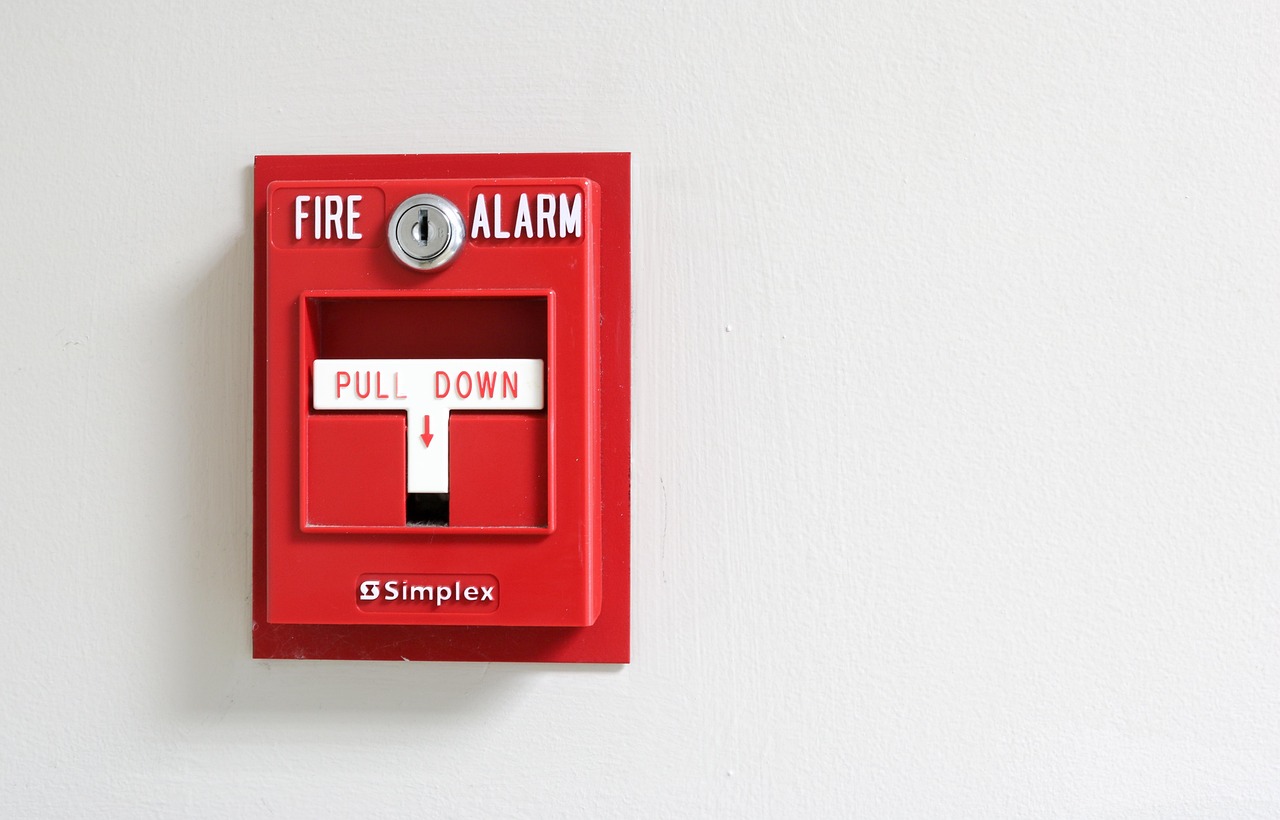
    • Comprehensive Components: A complete system includes Fire Alarm Control Panels (FACP), diverse detection devices (smoke, heat, multi-sensor), manual pull stations, and effective notification appliances.
    • Rigorous Compliance & Maintenance: Installation strictly adheres to NFPA guidelines and local codes, followed by essential ongoing maintenance, testing, and periodic replacements to ensure continuous reliability.

Values

Fire Detiction

fire extinchuish

Smart Alert system

Show Cases

Core Components of a Robust Fire Alarm System

The Building Blocks of Safety

A comprehensive fire alarm system comprises several critical components that work in concert to detect, alert, and manage fire incidents. Triple S ensures the meticulous selection and installation of each element to create a seamless and effective safety net.

Fire Alarm Control Panels (FACP)

The FACP serves as the “brain” of the fire alarm system. It receives signals from all detection devices, processes them, and initiates appropriate responses, such as activating alarms, shutting down HVAC systems, or triggering emergency lighting. Advanced FACPs in commercial settings can monitor multiple zones and integrate with other building systems for enhanced safety coordination.

Detection Devices

  • Smoke Detectors: The most common type, essential for identifying slow, smoldering fires. They typically use photoelectric sensors to detect smoke particles. Proper placement is vital, often in bedrooms, outside sleeping areas, and on every level, high on walls or ceilings, following NFPA guidelines.
  • Heat Detectors: Suited for environments where smoke might cause false alarms (e.g., kitchens, industrial areas) or for detecting rapid temperature increases. They are crucial for comprehensive fire detection.
  • Multi-Sensor Detectors: Combine smoke and heat detection capabilities, offering a more robust and intelligent approach to identifying various types of fires and reducing false alarms.
  • Aspirating Smoke Detectors: Highly sensitive detectors that actively draw air samples into a dete
    Manual Pull Stations (Manual Call Points)

    These devices allow occupants to manually activate the fire alarm system. They are strategically placed near exits and in easily accessible common areas, ensuring that an alarm can be raised even if automatic detectors have not yet responded.

    Notification Appliances

    Designed to alert occupants effectively, these include:

    • Audible Alarms: Sirens, horns, and bells that produce loud sounds to signal an emergency.
    • Visual Alarms: Strobe lights that provide a visual warning, especially important for individuals with hearing impairments or in noisy environments.

    System Integration and Monitoring

    For enhanced safety, fire alarm systems can be integrated with other building automation systems, such as HVAC shutdown mechanisms, emergency lighting, and security systems. For multi-site operations, centralized monitoring platforms like Connect ONE provide real-time alerts and event reporting, allowing for efficient management of fire safety across various locations.

The Triple S Installation Process: A Step-by-Step Approach

Ensuring Flawless Implementation and Compliance

Our installation process is meticulously designed to ensure reliability, compliance, and minimal disruption to your operations. Triple S adheres to best practices and national standards like NFPA 72, alongside local Authority Having Jurisdiction (AHJ) requirements, from conception to commissioning.

1. Discovery and Site Assessment

Every project begins with a thorough understanding of your specific needs, occupancy type, and existing infrastructure. We conduct a detailed site walk-through to plan optimal placement for devices and wiring, taking into account architectural nuances and potential hazards.

2. Design and Documentation

Our engineers create a customized fire alarm system design. This includes precise layouts, detector placement, panel selection, and notification device configuration. Detailed schematics and documentation are prepared to ensure clarity and compliance.

3. Permitting and Approvals

We manage the entire permitting process, coordinating with local AHJs to secure all necessary approvals before installation commences. This ensures that your system meets all regulatory requirements from the outset.

4. Professional Installation

Our certified technicians execute the installation with precision. This involves running fire-rated cables for hardwired systems, mounting devices, installing control panels, and connecting all components. We strive for efficiency to minimize any impact on your daily operations.

5. Testing and Commissioning

Post-installation, rigorous testing is performed to verify the functionality of every component and the system as a whole. This includes alarm activation, communication checks, and integration tests. We coordinate final acceptance tests with fire marshals and relevant authorities to ensure full compliance and operational readiness.

6. Training and Handover

Upon successful commissioning, we provide comprehensive training for your team on system operation, emergency procedures, and basic troubleshooting. You will also receive all relevant manuals and “as-built” drawings for future reference.

Detailed Comparison of Fire Alarm System Components

Understanding Their Functions and Optimal Use

The following table provides a clear breakdown of the primary components found within fire alarm systems, detailing their function, optimal placement, and key considerations for installation. This overview assists in understanding how each element contributes to a robust and effective fire safety infrastructure.

We Are Always Ready for New Projects ...

Frequently Asked Questions About Fire Alarm Systems

What are the primary types of fire alarm systems available?
The primary types include conventional systems, suitable for smaller buildings with zone-based detection; addressable systems, which pinpoint the exact location of a fire and are ideal for larger, more complex properties; and wireless systems, offering flexible installation for existing structures.
How often should a fire alarm system be tested and maintained?
Regular inspections, testing, and maintenance are crucial. This includes monthly checks, timely battery replacements, cleaning detectors periodically, and replacing alarms every 10 years to ensure continuous peak performance and compliance with NFPA guidelines.
What is the Fire Alarm Control Panel (FACP)?
The FACP is the central unit, or “brain,” of the fire alarm system. It receives signals from detectors, processes them, and activates alarms and other emergency functions like HVAC shutdown or emergency lighting.
Why is professional installation important for fire alarm systems?
Professional installation ensures that the system is designed, installed, and commissioned in strict adherence to national standards (like NFPA 72) and local codes. This guarantees optimal performance, minimizes false alarms, and ensures that the system provides reliable protection when it matters most.
Can fire alarm systems integrate with other building systems?
Yes, modern fire alarm systems can be integrated with various building automation systems, such as HVAC, emergency lighting, and security systems. This integration enhances overall safety coordination and automates emergency responses.