Frequently Asked Questions
What is structured cabling?
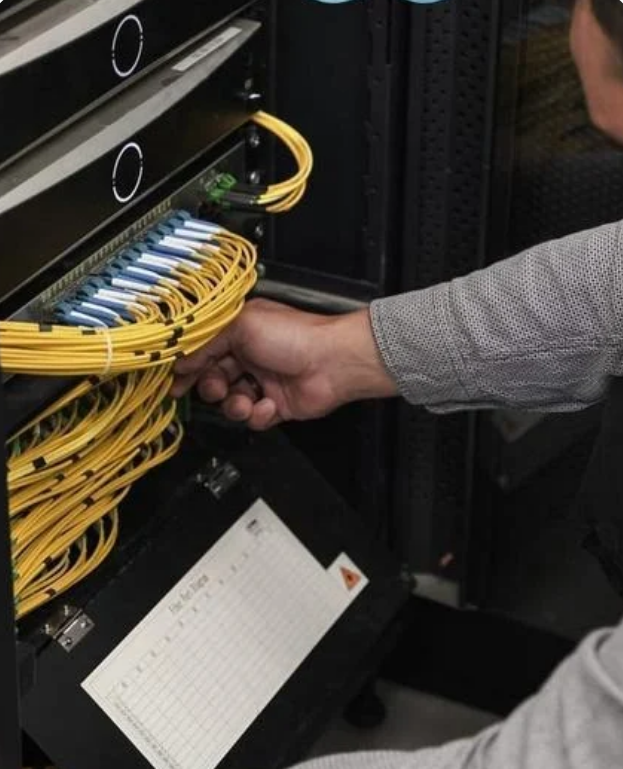
Structured cabling is a standardized system of cabling and components for building a communication network. It provides a comprehensive infrastructure for voice, data, video, and various management systems, simplifying network management and ensuring scalability.
What are the benefits of fiber optics?
Fiber optics offer superior bandwidth, immunity to electromagnetic interference, and the ability to transmit data over much longer distances with minimal signal loss compared to traditional copper cables. This makes them ideal for high-speed, future-proof network backbones.
How does a light current wireless network differ from traditional Wi-Fi?
Light current wireless networks refer to low-voltage applications, including advanced Wi-Fi systems designed for high performance and reliability in environments like smart buildings or large venues. They leverage strategic placement of access points and robust security protocols to provide seamless, secure connectivity with minimal physical wiring.
Can Triple S integrate wired and wireless solutions?
Yes, Triple S specializes in designing and implementing hybrid network solutions that seamlessly integrate wired and wireless infrastructures. This approach leverages the strengths of both technologies, ensuring optimal performance, flexibility, and scalability for your specific needs.